In any workplace, safety is not optional—it is essential. From construction sites to manufacturing units and industrial plants, clear communication of hazards and instructions can prevent accidents, injuries, and even fatalities. One of the most effective ways to ensure safety compliance is through proper signage.
Among the various types of safety signs, mandatory signs and warning signs play a crucial role. While they may seem similar at first glance, they serve very different purposes. Understanding the difference between these two is key to maintaining a safe and compliant workplace.
In this blog, we’ll break down the differences, uses, and benefits of both types of signage—and help you choose the right solution for your facility.
What Are Mandatory Safety Signs?
Mandatory safety signs are designed to instruct people on actions they must take to stay safe. These signs are not suggestions—they are rules that must be followed.
Typically, mandatory signs are:
- Blue in color
- Circular in shape
- Contain white symbols or text
Common Examples:
- Wear safety helmets
- Use protective gloves
- Safety goggles must be worn
- Keep doors closed
These signs clearly communicate what must be done to avoid risks.
What Are Warning Safety Signs?
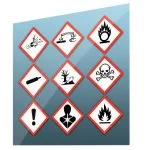
Warning safety signs, on the other hand, are used to alert individuals about potential hazards or dangers in a specific area.
They do not instruct actions directly but instead provide awareness so that people can take precautions.
Typically, warning signs are:
- Yellow in color
- Triangular in shape
- Feature black symbols or text
Common Examples:
- High voltage
- Slippery floor
- Flammable materials
- Forklift operating area
These signs highlight what could go wrong if caution is not taken.
Mandatory Signs vs. Warning Signs: Key Differences
Understanding the distinction between these two types of signs is essential for proper safety implementation.
| Feature | Mandatory Signs | Warning Signs |
| Purpose | Instruct actions | Warn of hazards |
| Message Type | Must follow | Be cautious |
| Color | Blue | Yellow |
| Shape | Circular | Triangular |
| Example | Wear helmet | High voltage |
In simple terms:
- Mandatory signs tell you what to do
- Warning signs tell you what to watch out for
Why Both Types of Signs Are Important
Many workplaces make the mistake of focusing on only one type of signage. However, both mandatory and warning signs work together to create a complete safety system.
1. Preventing Accidents
Warning signs alert workers about risks, while mandatory signs ensure they take the right precautions.
2. Ensuring Compliance
Safety regulations often require both types of signage in industrial environments.
3. Improving Awareness
Clear signage keeps employees constantly aware of their surroundings and responsibilities.
A combination of both reduces risks and improves overall workplace safety.
Choosing the Right Safety Signs for Your Workplace
Selecting the correct signage is not just about design—it’s about understanding your environment and risks.
Consider These Factors:
- Type of industry (manufacturing, construction, etc.)
- Nature of hazards present
- Employee workflow
- Regulatory requirements
Working with a mandatory safety signs supplier ensures you get the right guidance and high-quality products.
The Role of Quality in Safety Signage
Not all safety signs are created equal. Poor-quality signs can fade, peel, or become unreadable over time—defeating their purpose.
High-quality signs should be:
- Durable and weather-resistant
- Easy to read from a distance
- Compliant with safety standards
- Made from industrial-grade materials
This is why choosing a reliable warning safety signs manufacturer is crucial for long-term safety.
Custom Safety Signs for Workplace Needs
Every workplace is unique, and standard signs may not always be enough.
Custom safety signs for workplace environments allow businesses to:
- Address specific risks
- Include company-specific instructions
- Use multilingual text if needed
- Align with internal safety protocols
Customization ensures that safety communication is clear and relevant.
How BAB Engineering Supports Workplace Safety
When it comes to reliable and high-performance safety signage, BAB Engineering is a trusted name in the industry.
With a strong focus on quality, innovation, and compliance, BAB Engineering provides:
- Durable safety signs for industrial use
- A wide range of mandatory and warning signs
- Custom safety signage solutions
- Long-lasting materials designed for harsh environments
Whether you need to buy mandatory and warning safety signs or require tailored solutions, BAB Engineering delivers products that meet modern safety standards.
Common Mistakes to Avoid
Even with the right signs, improper usage can reduce effectiveness. Here are some common mistakes:
- Placing signs in low-visibility areas
- Using faded or damaged signs
- Overcrowding with too many signs
- Ignoring regular updates
Proper placement and maintenance are just as important as the signs themselves.
Best Practices for Effective Safety Signage
To maximize the impact of your safety signs:
- Place signs at eye level
- Ensure proper lighting
- Use clear and simple language
- Regularly inspect and replace damaged signs
- Combine signage with employee training
These practices help create a safer and more efficient work environment.
The Future of Safety Signage
As industries evolve, safety signage is also becoming more advanced.
Trends include:
- Smart and digital signage
- Reflective and glow-in-the-dark materials
- Enhanced durability for extreme conditions
Companies like BAB Engineering continue to innovate, ensuring businesses stay ahead in safety compliance.
Conclusion
Understanding the difference between mandatory signs and warning signs is essential for building a safe workplace.
While mandatory signs instruct workers on what actions to take, warning signs alert them to potential dangers. Together, they create a comprehensive safety system that protects people and improves operational efficiency.
Investing in high-quality signage from a trusted provider like BAB Engineering ensures:
- Better safety compliance
- Reduced risks
- Long-term reliability
If you’re looking to buy mandatory and warning safety signs, choosing the right partner can make all the difference.